Wall-Mounted vs Floor-Mounted vs Freestanding Ballet Barre: Which Is Right for Your Space?
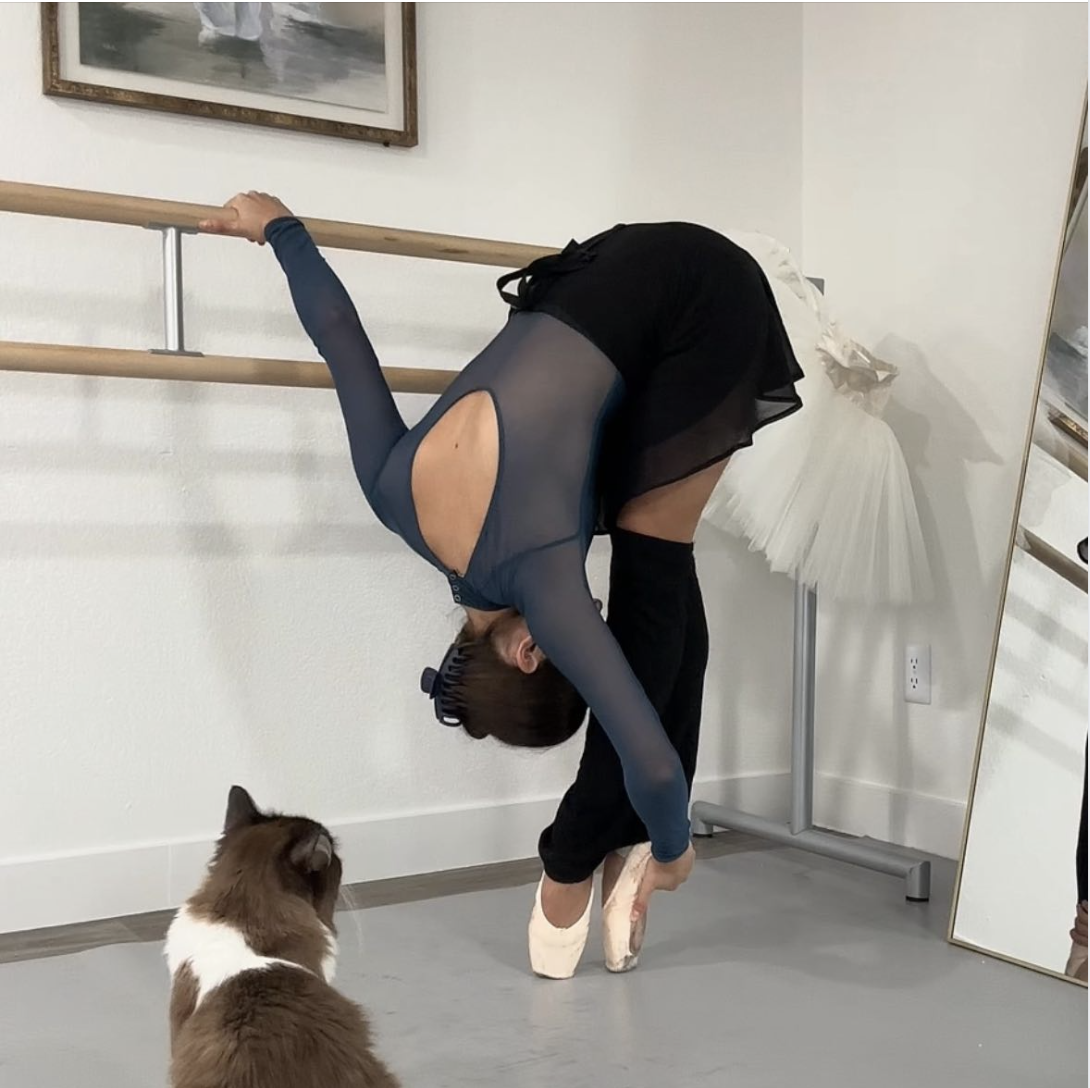
Choosing the right barre mount type is one of the first decisions you will make when setting up a studio or home dance space. The three main options — wall-mounted, floor-mounted, and freestanding — each suit different situations. Here is an honest breakdown to help you choose.
Wall-Mounted Barres
Wall-mounted barres are the gold standard for permanent studio installations. They attach directly to studs or masonry, putting all the load into the building structure rather than the floor. This makes them exceptionally stable and keeps the floor clear for class movement.
- Best for: Studios with solid stud or masonry walls, mirrors along the wall, permanent installations
- Pros: Maximum stability, no floor footprint, cleanest look, infinite barre lengths
- Cons: Permanent — holes in the wall, not renter-friendly without permission; requires wall stud or masonry anchoring
- Barre options: Single or double barre at standard 42-inch height (adults), or custom heights
At Custom Barres, wall-mount brackets are available in steel and aluminum, and every kit includes hardware pre-matched to the bracket load rating. See the full wall-mount installation guide →
Floor-Mounted Barres
Floor-mounted barres anchor to the floor rather than the wall, making them the right choice when usable wall space is limited or when you want barres in the center of the room as an island configuration. They are permanent installations — anchored into concrete or structural subfloor — and deliver wall-mount-level stability.
- Best for: Center-of-room island barres, studios with glass or mirror walls that cannot be drilled, concrete slab floors
- Pros: Stable as wall-mount, works in the middle of any room, great for large classes needing barre access on both sides
- Cons: Permanent like wall-mount; base plates are visible on the floor; not an option for raised/floating floors without special hardware
- Barre options: Single or double-sided (dancers on both sides of the same post)
See the full floor-mount installation guide →
Freestanding / Portable Barres
Freestanding barres stand on their own weighted bases and require no drilling. They are ideal for renters, multi-purpose rooms, home studios, and situations where the barre needs to move.
- Best for: Renters, multi-purpose rooms, small home studios, schools where the barre moves room to room
- Pros: No drilling, fully portable, can be used outdoors, quick to set up
- Cons: Never as stable as a mounted option; bases take up floor space; barre length limited by base weight capacity; students can push them back slightly under load
- Barre options: Adjustable height models available; typically 6 feet or shorter
Side-by-Side Comparison
| Feature | Wall-Mount | Floor-Mount | Freestanding |
|---|---|---|---|
| Stability | ⭐⭐⭐ | ⭐⭐⭐ | ⭐⭐ |
| Portability | None | None | Full |
| Floor space used | None | Small base plates | Full base footprint |
| Requires drilling | Wall | Floor | No |
| Island / center-room | No | Yes | Yes |
| Double-sided barre | Yes | Yes | Some models |
Which Should You Choose?
- Commercial studio with solid walls: Wall-mounted, without question. Best stability, cleanest floor, professional look.
- Commercial studio where walls are glass or mirrors: Floor-mounted in an island configuration. You get the same stability with center-room access for large classes.
- Home studio (owned): Wall-mounted if you have studs where you need them; floor-mounted if you want barre in a room without a suitable wall.
- Home studio (rented) or multi-use room: Freestanding — it moves, leaves no marks, and works in any space.
Still not sure? Send us your room dimensions and wall type and our team will recommend the right configuration for your space.