Mirror-First Studios: How to Specify Ballet Barres Without Sacrificing the Teaching Wall
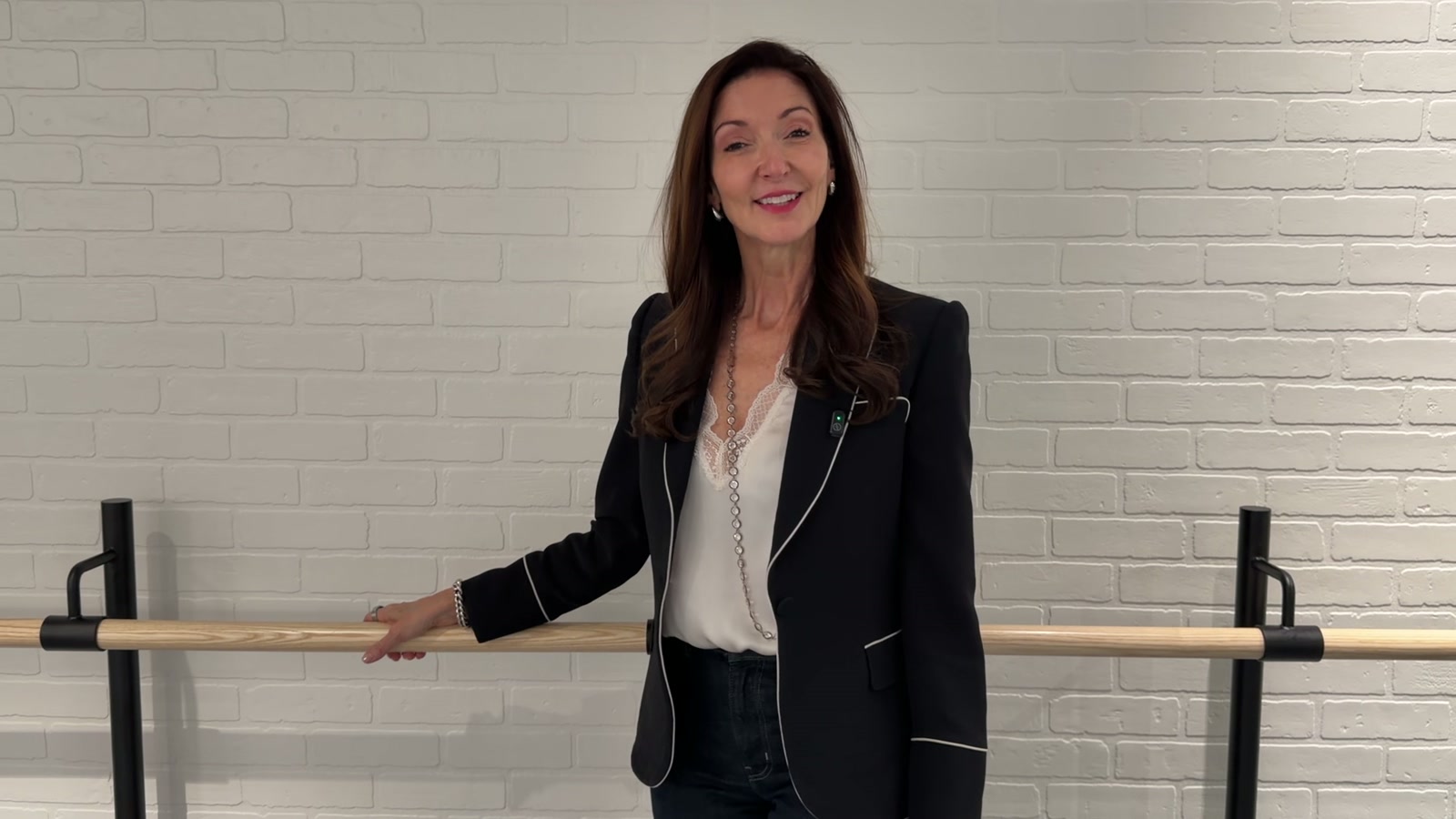
Many of the best rooms begin with a mirror-first instinct. The teaching wall is expected to feel expansive, elegant, and visually quiet. The challenge is that the barre system has to serve the room without fragmenting that calm.
If the product is selected too late, the project starts solving around glass dimensions and field conditions instead of shaping a coherent wall from the beginning.
At the point where a buyer is searching for specifying ballet barres for mirror walls, the conversation has usually matured beyond a generic barre. The real question is how the room should feel, how the installation should behave, and how the product can support the brand standard without compromise. That is where Custom Barres becomes useful: the specification can follow the room instead of forcing the room to follow a catalog shortcut.
The Decisions That Matter Most
The most successful mirror-first studios decide early what the wall must preserve and what the barre must do.
- Visual continuity: A premium teaching wall should feel deliberate, not interrupted by technical corrections.
- Mount type: Floor mounted systems can preserve mirror continuity when wall conditions become too restrictive.
- Teacher position: Sightlines matter as much as reflections; the wall should support instruction, not only appearance.
- Maintenance: Cleaning access and long-term durability deserve the same attention as the initial visual impression.
What to Confirm Before Pricing
The strongest projects become easier the moment the team translates taste into concrete decisions. That means confirming not only the look of the barre, but also how it will be used, what the wall or floor allows, and what kind of daily experience the room needs to deliver.
- Mirror dimensions: Confirm the exact glass layout before the barre spacing or support strategy is finalized.
- Barre height: The teaching wall should read cleanly at the actual height users need, not just in elevation drawings.
- Bracket rhythm: If the room stays wall mounted, bracket spacing should feel organized and repeatable.
- Room depth: Mirror-first walls still need enough depth in front of the barre for the class to function elegantly.
Where Premium Rooms Usually Lose Quality
Most disappointing rooms are not ruined by one dramatic mistake. They drift off course through a series of small compromises that make the finished space feel more generic, more awkward, or less stable than the rest of the project.
- Treating mirrors as fixed and barres as flexible: The project works best when both are designed together.
- Ignoring reflections of the support system: What appears minimal in section can look visually busy in the mirror.
- No decision hierarchy: When the team never decides what matters most, both mirror and barre lose clarity.
- Solving only for day one: A premium wall also needs to remain easy to clean, maintain, and photograph.
Why Custom Barres Fits This Use Case
A premium barre package should feel intentional in the same way premium millwork, lighting, or flooring feels intentional. The best rooms do not hide their quality. They make it feel inevitable.
- Flexible mount types: Custom Barres gives mirror-first rooms options instead of forcing one default strategy.
- Premium visual cadence: Custom lengths and refined bracket choices help the teaching wall stay disciplined.
- Design integration: The product can be selected in service of the mirror composition rather than against it.
- Earlier coordination: The Architect Portal gives designers and contractors a cleaner way to protect the wall before late-stage compromises begin.
Recommended Next Steps
The cleanest next move is to keep the decision attached to the room itself: the user profile, the level of finish, the mount conditions, and the visual standard the owner wants to protect.
- Choose whether the wall should prioritize uninterrupted mirror, uninterrupted barre, or a balanced composition.
- Review wall and floor conditions before assuming a mount type.
- Treat the mirror and barre package as one design problem, not two.
For pricing direction, use the quote tool. For larger projects, design teams, and multi-room planning, use the Architect Portal so specification and aesthetics stay aligned.