Luxury Residential Wellness Rooms: How to Plan a Barre That Feels Like It Belongs in the House
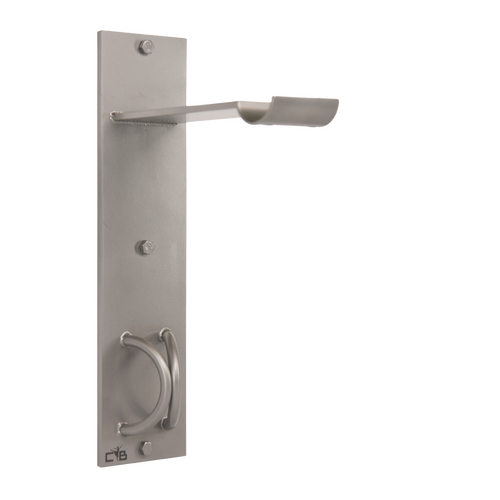
A luxury residence asks different questions of a barre than a commercial studio does. The room still needs real function, but it also has to feel architecturally coherent with the home — calm, elevated, and fully integrated into the lifestyle the owner expects.
A generic solution can make the room feel temporary even when the rest of the architecture feels permanent.
At the point where a buyer is searching for luxury residential wellness room barre, the conversation has usually matured beyond a generic barre. The real question is how the room should feel, how the installation should behave, and how the product can support the brand standard without compromise. That is where Custom Barres becomes useful: the specification can follow the room instead of forcing the room to follow a catalog shortcut.
The Decisions That Matter Most
The right residential barre is chosen less like gym equipment and more like a built-in design element that happens to support movement beautifully.
- Room identity: The barre should reinforce whether the room feels spa-like, performance-focused, or quietly athletic.
- Architectural integration: Wall, mirror, millwork, and flooring choices should shape the product decision early.
- Owner routine: The product should reflect how the owner will really use the room, not just how the room photographs.
- Resale-level finish: In high-end homes, tactile quality and permanence matter because buyers notice inconsistency quickly.
What to Confirm Before Pricing
The strongest projects become easier the moment the team translates taste into concrete decisions. That means confirming not only the look of the barre, but also how it will be used, what the wall or floor allows, and what kind of daily experience the room needs to deliver.
- Daily use: Clarify whether the room is for disciplined practice, light mobility, or a broader wellness routine.
- Material alignment: Choose wood and bracket finishes that feel native to the residence.
- Mount decision: Decide whether permanence or flexibility better supports the room's intended life.
- Room proportion: The scale of the barre should support the architecture instead of shrinking it visually.
Where Premium Rooms Usually Lose Quality
Most disappointing rooms are not ruined by one dramatic mistake. They drift off course through a series of small compromises that make the finished space feel more generic, more awkward, or less stable than the rest of the project.
- Treating the room like a generic home gym: Luxury rooms often need a more refined decision framework.
- Decorative but underbuilt choices: Visual elegance should never come at the expense of real tactile confidence.
- Late specification: Residential design gets harder when the barre is left until after the room language is already set.
- Ignoring permanence: If the room is meant to feel built-in, the barre usually should too.
Why Custom Barres Fits This Use Case
A premium barre package should feel intentional in the same way premium millwork, lighting, or flooring feels intentional. The best rooms do not hide their quality. They make it feel inevitable.
- Residential refinement: Custom Barres helps wellness rooms feel fully resolved inside a premium home.
- Material compatibility: Wood species, finish, and support direction can follow the house instead of interrupting it.
- True architectural feel: The right Custom Barres system reads as part of the room, not a product parked inside it.
- Long-term quality: A better barre protects the owner's daily experience and the room's lasting value.
Recommended Next Steps
The cleanest next move is to keep the decision attached to the room itself: the user profile, the level of finish, the mount conditions, and the visual standard the owner wants to protect.
- Decide what kind of wellness room the house actually needs.
- Choose the wall or architectural surface the barre should belong to.
- Select the barre package with the same care as other visible custom elements in the room.
For pricing direction, use the quote tool. For larger projects, design teams, and multi-room planning, use the Architect Portal so specification and aesthetics stay aligned.