Luxury Home Gym Barre Specification Guide for Designers and Builders
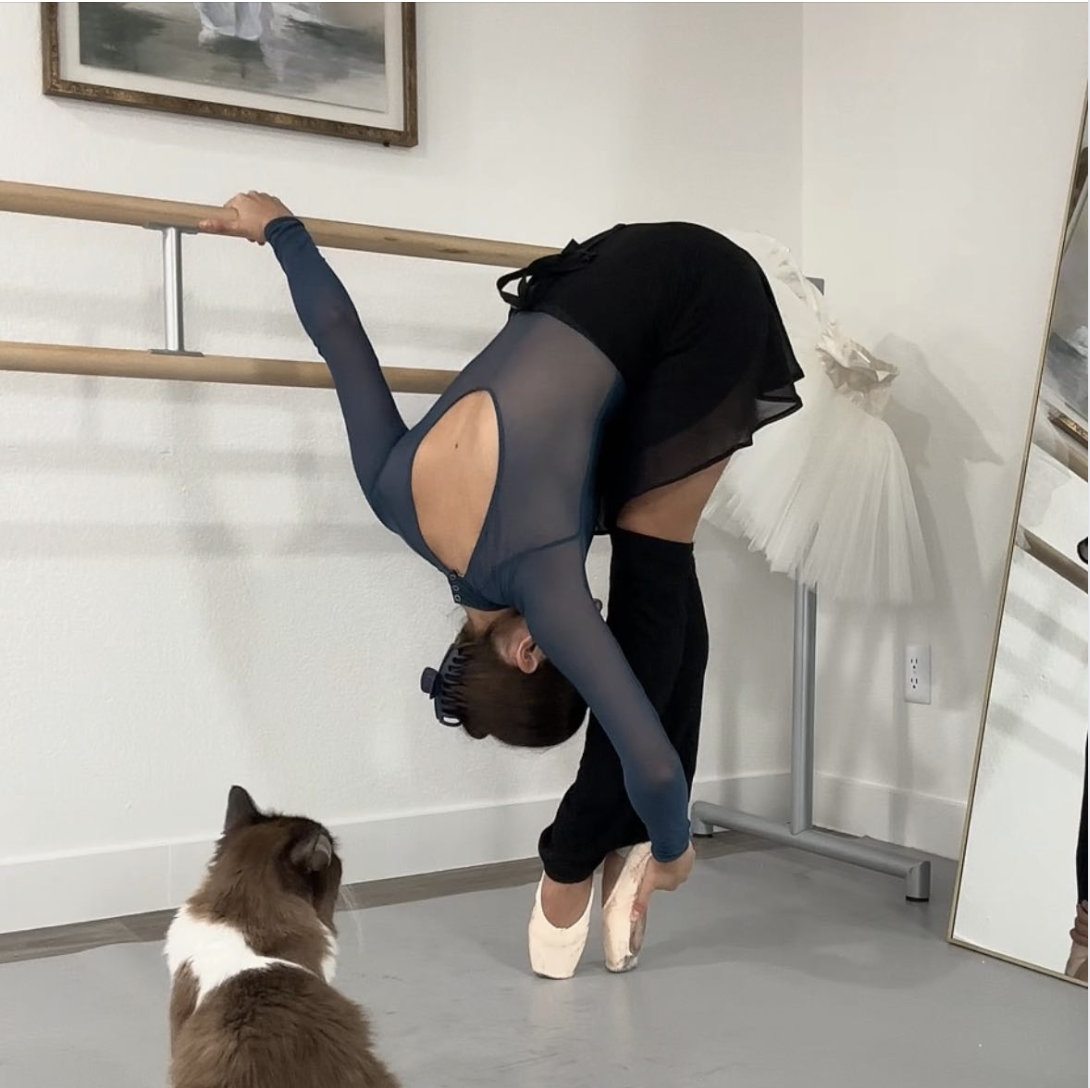
A luxury home gym is not just a workout room. It is part of the home's architecture, lifestyle, and resale story. Every visible element needs to feel selected, not substituted.
That includes the ballet barre. A generic barre can cheapen a premium wellness room, while a custom hardwood system can feel like a natural extension of the design.
For most serious buyers, the question is not whether they need a ballet barre. The question is which type of ballet barre best fits the room: a wall mounted ballet barre, a floor mounted ballet barre, a portable ballet barre, or a more custom commercial layout. That is where Custom Barres becomes useful. The product can follow the architecture, the users, and the business model instead of forcing the project to compromise around a generic kit.
The Commercial Decision
Designers and builders should specify the barre around the room's visual language and the owner's real use.
- Use case: Clarify whether the room is for ballet, Pilates, barre fitness, stretching, rehab, or general wellness.
- Finish integration: Coordinate wood and bracket finishes with millwork, flooring, mirrors, lighting, and hardware.
- Mount strategy: Wall mounted systems look clean when structure allows; floor mounted systems can preserve mirrors or wall treatments.
- Proportion: The barre length should fit the room gracefully rather than looking like a standard-size product dropped in.
What a Serious Buyer Should Confirm Before Pricing
At the stage where a buyer is searching for luxury home gym ballet barre specification, the conversation should move beyond generic equipment. This is usually the point where terms like wall mounted ballet barre, portable ballet barre, commercial ballet barre, and Custom Barres become useful because they keep the discussion tied to the real room, real users, and real installation conditions.
What to Specify Before Anyone Prices the Project
A strong ballet barre specification is not just a product name. It should translate the room, users, installation conditions, and finish direction into details a contractor or procurement team can act on.
- Owner profile: Determine who will use the barre and how often.
- Interior palette: Select wood species and metal finish during design development.
- Wall construction: Plan backing before specialty finishes or mirrors are installed.
- Room composition: Align the barre with architectural features, not just open wall space.
Why This Matters for Revenue, Operations, and Owner Confidence
For studio owners and project teams, this is ultimately a revenue and brand decision. The right barre plan affects class capacity, perceived quality, member retention, instructor confidence, and whether the room looks premium enough to support premium pricing.
Where Projects Usually Lose Quality
Most problems show up when the barre package is treated as a late accessory instead of a permanent architectural element. These are the details to protect early.
- Late selection: Last-minute equipment choices are obvious in luxury interiors.
- Wrong scale: A barre that is too short can make a large room feel underspecified.
- Finish mismatch: Wood tone and bracket finish should not fight the rest of the home.
- No structure: Premium wall finishes still need real backing for a secure installation.
How Custom Barres Fits This Use Case
Custom Barres is strongest when the room needs more than an off-the-shelf barre system. We build custom ballet barres for the actual length, mount type, wood species, bracket style, and finish direction of the project. That means the specification can support the way the room will really be used rather than settling for whatever standard size happens to be available.
- Custom dimensions: Custom Barres can build the barre to the room rather than forcing catalog lengths.
- Hardwood presence: Ash, maple, or oak can be selected to complement the interior.
- Architectural feel: A well-specified system reads as part of the room, not accessory equipment.
- Builder-friendly planning: The portal helps design and construction teams coordinate details before finishes.
Recommended Next Steps
The strongest next step is to keep the product conversation attached to the room itself: who uses it, how often, what the teaching wall needs to do, and what level of finish the client expects. That is how better projects protect both quality and margin.
- Define the owner's actual movement use before selecting the system.
- Choose wood and bracket finish with the interior design package.
- Plan wall backing before premium finishes are installed.
- Use custom sizing so the barre fits the room proportionally.
For larger rooms, multi-room facilities, or projects with architects and contractors involved, start with the Custom Barres Architect Portal. For pricing direction, use the quote tool so the specification and budget move together.