Industry Watch: Rehab and Active-Aging Spaces Are Changing Barre Demand
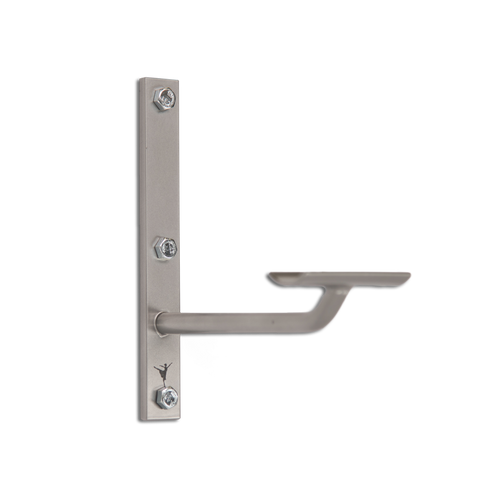
Ballet barres are moving beyond traditional dance rooms. Rehab clinics, wellness facilities, active-aging programs, and home recovery spaces increasingly need stable, attractive support barres for movement training.
The product language may change from ballet barre to balance barre, support barre, or therapy barre, but the underlying need is similar: a stable high-touch surface that supports confidence and motion.
What makes this trend commercially useful is that it changes how buyers define the room. Once a dance, fitness, rehab, or hospitality space is expected to feel more premium, more flexible, or more performance-oriented, the barre specification can no longer be treated as an afterthought. It becomes part of the experience, the business model, and the visual standard.
Why This Matters Now
More facilities are designing spaces around mobility, recovery, longevity, and accessible fitness. That creates demand for equipment that feels less clinical than parallel bars but more substantial than decorative barres.
- Broader user range: Rooms may serve patients, older adults, athletes, and wellness clients in the same week.
- Height flexibility: Double-height systems can support more exercises and body types.
- Clinical trust: Users need the barre to feel stable immediately.
- Warmer design: Hardwood can make rehab and wellness spaces feel less institutional.
What Buyers Should Watch
Industry shifts only matter when they change the room a buyer is actually trying to build. For barre projects, the useful question is simple: what should be decided earlier so the final space feels more professional and performs better under daily use?
- Physical therapy barres: Clinics may specify support barres in treatment rooms and open therapy gyms.
- Active-aging programs: Community and wellness spaces need barres for balance, stretching, and low-impact movement.
- Home rehab: Premium residential wellness rooms may include barres for long-term mobility support.
- Shared facilities: Schools, recreation centers, and gyms may use one room for both dance and mobility programs.
Product Implications
This is where industry chatter becomes a specification. The right ballet barre system should support the business model, not merely fill a wall. Teams often reach this stage after searching phrases like rehab active aging barre demand, wall mounted ballet barre, portable ballet barre, or commercial ballet barre. The earlier those searches turn into a real scope, the easier it is to keep the room coherent and more profitable.
- Double-height barres: Two heights can make a room more useful without increasing square footage.
- Smooth hardwood: Hand comfort matters for users with reduced grip strength or sensitivity.
- Wall or floor mounting: Mount type should follow the structure and clinical workflow.
- Custom lengths: Treatment spaces often need lengths that standard catalog products do not offer.
Custom Barres Takeaway
Rehab and active-aging demand is not a side category. It is a serious use case for custom ballet barres when stability, warmth, and flexibility matter at the same time.
Teams planning commercial dance studios, boutique fitness rooms, rehab gyms, school dance rooms, and premium wellness spaces can use the Architect Portal and quote tool to turn the trend into a practical scope. The goal is not to chase trends. It is to use them earlier than competitors so the room opens with clearer specification, better aesthetics, and a stronger Custom Barres fit.