How to Design a Commercial Dance Studio Barre System
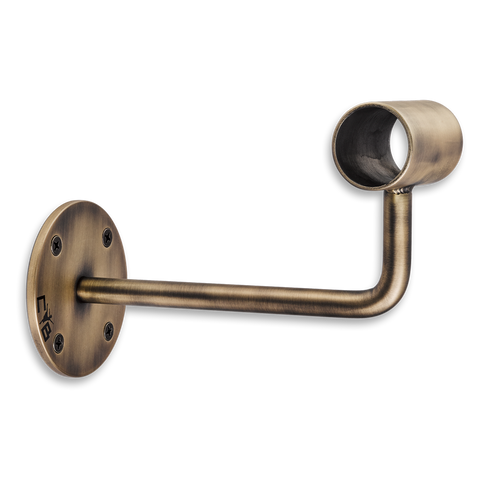
A commercial dance studio barre system consists of solid hardwood rails (ash, maple, or oak), heavy-duty steel brackets, and a wall or floor mounting configuration designed for daily high-traffic use. Unlike residential barres, commercial systems are built to custom lengths and specified for the actual room conditions.
Most studio owners make one of two mistakes: they buy a residential barre hoping it holds up under commercial use, or they over-spec a system that the room does not need. This guide covers what actually matters when designing a commercial barre system.
What Makes a Barre Commercial Grade
The difference is not just marketing language — it shows up in the hardware and in how the product performs after a year of daily classes.
- Solid hardwood rail: Commercial barres use solid ash, maple, or oak — not hollow tube, MDF, or laminate. Solid wood resists denting, chipping, and the daily grip wear that destroys cheaper products.
- Heavy-duty brackets: Commercial brackets are rated for repeated lateral loading. Home-grade brackets can fail under the torque dancers put on the rail during warm-up and stretching.
- Built-to-length runs: Commercial studios do not piece together catalog lengths. Each run is made to match your exact wall dimension, eliminating awkward gaps and midpoint joints.
- Wall backing requirement: A proper commercial installation requires structural backing (blocking) in the wall. This is not optional — brackets anchored only to drywall will pull out.
Choosing the Right Mount Type
- Wall mounted barre: The most common commercial choice. Requires structural backing, but gives the cleanest look and does not interfere with floor space. Best when you have access to wall structure.
- Floor mounted barre: Post-and-base system that does not need wall backing. Ideal when the full wall is mirrored, glazed, or otherwise unavailable. Takes up 6–8 inches of floor depth.
- Double barre (two heights): Two rails at different heights (typically 38" and 42") on the same bracket set. Serves mixed-age programs, adult + children's classes, and barre fitness rooms that want flexibility.
- Portable / freestanding: Free-standing barres on adjustable bases. Useful for multi-purpose rooms, overflow space, and home studios. Not a substitute for wall mounted systems in permanent studio rooms.
Planning Linear Footage for Your Studio
Linear footage determines class capacity — it is the most business-critical decision in the spec.
- Target 3 feet of barre per student at capacity. A 15-student class = 45 linear feet.
- Distribute runs across 2–3 walls rather than one. Multi-wall rooms feel more professional and allow more flexible class configurations.
- On the teaching wall (the wall the instructor faces), leave the center open for demonstration — use corner walls for most of the footage.
- If you plan to offer both barre classes and open floor work, a double-sided floor mounted system in the center of the room can add footage without consuming wall space.
Wood Species: Ash, Maple, and Oak
- Hard maple: The most popular choice for commercial studios. Very tight grain, light color, excellent hardness. Feels premium underhand and holds finish well.
- White ash: Slightly warmer tone than maple. Good hardness, flexible grain structure. Works well in studios with warm interior palettes.
- Red oak: The most traditional ballet barre wood. Open grain adds visual texture. Slightly softer than maple, which gives a slightly warmer feel.
All three species are available in natural (clear coat) or stain finishes. Custom Barres offers wood swatches on request.
Bracket and Finish Selection
- Satin black: The most popular finish for contemporary studios and boutique fitness rooms. Works with any interior palette.
- Satin nickel / brushed stainless: Preferred for hotel gyms, spa wellness rooms, and modern commercial interiors.
- Antique brass: Traditional finish for classical ballet studios. Warmer, more decorative character.
- Oil-rubbed bronze: Moody, architectural finish. Works in high-design studios and luxury residential spaces.
Installation Requirements
- Structural blocking (2x6 or 2x8 lumber) installed between studs at the correct height — this must happen before drywall is hung.
- Bracket spacing: one bracket every 4–6 feet of barre length minimum, plus end brackets.
- Standard mounting height: 38–42 inches for adult barres, 30–35 inches for children's programs, 33–36 inches for ADA/rehab applications.
- For floor mounted systems, concrete anchor bolts or lag screws into subfloor are required.
- Leave 2 feet of clear floor space in front of the barre for class movement.
Next Steps
Specify by wall length, mount type, wood species, and bracket finish. The Custom Barres quote tool gives you pricing in minutes.
- Browse wall mounted, floor mounted, and portable options at Custom Barres.
- Get an instant price estimate with the quote tool — enter your wall length, mount type, and finish.
- Architects and designers: access CAD blocks, finish samples, and spec support through the Architect Portal.
Frequently Asked Questions
How much does a commercial dance studio barre system cost?
Commercial barre systems from Custom Barres typically range from $800 to $5,000+ depending on total linear footage, mount type, and finish. An 8-foot wall mounted run starts around $400–$600. Request a quote for your specific dimensions.
How long does it take to get a commercial barre system?
Lead time is typically 2–4 weeks for production plus shipping. Plan for installation after delivery. Wall backing and prep can be done in advance.
Do commercial barres need a permit?
Typically not for the barre itself, but the wall backing installation may require a permit if it involves opening walls in a commercial tenant improvement project. Check with your local jurisdiction.
What is the minimum wall backing requirement?
Custom Barres recommends 2x6 blocking installed horizontally between studs at bracket height. Blocking must be anchored to studs — drywall anchors alone are not sufficient for commercial-grade loading.