Choosing a Wall Mount Ballet Barre System
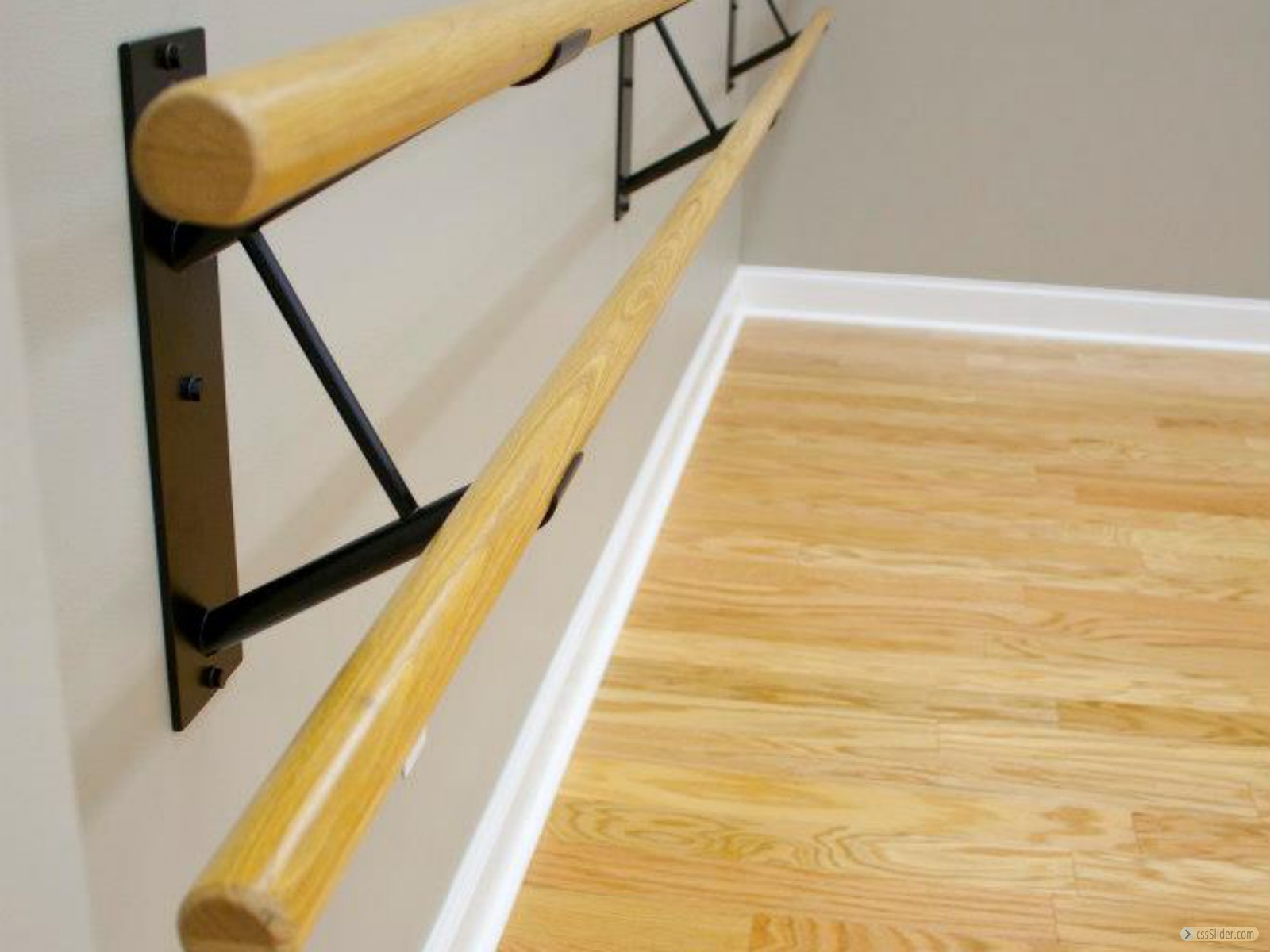
A wall mount ballet barre system has to do more than hold a barre at the right height. In a serious studio, a rehab room, or a well-designed home gym, it becomes part of the performance environment itself. It needs to feel stable under repeated use, align with the room's proportions, support clean installation, and deliver a finished look that belongs in the space rather than reading like an afterthought.
That is where buyers start to separate commodity products from specification-grade systems. The difference is not just aesthetics, and it is not just price. It is engineering, material quality, mounting integrity, finish durability, and how confidently the system performs once it is on the wall.
What a wall mount ballet barre system should actually deliver
At a basic level, wall-mounted barres save floor space and create a cleaner training line than many freestanding options. That benefit matters in dance studios where every square foot counts, but it matters just as much in wellness rooms, physical therapy settings, school multipurpose spaces, and residential exercise areas where circulation and visual order are part of the design brief.
The better question is not whether a wall-mounted system works. It is whether the specific system you choose is built for the way the room will be used.
In a private home, priorities often center on footprint, appearance, and ease of daily access. In a commercial studio, the concerns shift toward long-term durability, bracket spacing, user volume, and the ability to maintain a professional feel after years of repetitive loading. In institutional and hospitality projects, the barre system also needs to satisfy procurement expectations, installation planning, and a finish standard that complements the broader interior package.
That is why a true wall mount ballet barre system should be evaluated as installed infrastructure, not just as fitness equipment.
The most important design decisions come before installation
A barre can look simple, but the specification process is not casual if performance matters. Length, diameter, projection from the wall, bracket placement, and mounting surface all affect how the system feels in use.
Height depends on the user and the program
There is no single universal height that works for every project. A pre-professional dance studio may have one requirement, while a mixed-use fitness setting may prefer another. Children's programs, rehabilitation environments, and spaces serving multiple user groups may need lower runs, dual-height configurations, or separate training zones.
This is where many off-the-shelf options fall short. They assume a standard user and a standard wall condition. Real-world spaces rarely behave that neatly.
Bracket spacing affects more than appearance
Evenly spaced brackets create a refined visual rhythm, but spacing is also structural. Longer runs need support that keeps the barre feeling firm and predictable across the full span. If the barre flexes excessively or the wall anchors are poorly matched to the substrate, users will feel it immediately.
That tactile response matters. Dancers and instructors notice instability fast. So do therapists, trainers, and facility managers responsible for safety and maintenance.
The wall itself is part of the system
A high-quality barre and bracket set can still underperform if the wall condition is not properly understood. Wood blocking, stud placement, masonry, metal framing, and finished wall materials all influence the installation approach. In commercial projects especially, the wall mount ballet barre system should be planned with the same rigor as other fixed architectural elements.
This is one reason premium manufacturers provide more than product dimensions. They help buyers think through backing, spacing, hardware selection, and the realities of field installation.
Material quality changes the user experience
Buyers often focus first on bracket style or finish color, but the feel of the barre itself is just as important. The surface texture, warmth, diameter, and consistency of the wood all influence grip and comfort.
Natural wood remains the preferred choice in many dance applications because it offers a familiar hand feel and a visual warmth that synthetic substitutes rarely match. It also aligns better with premium interiors. In fitness or rehab environments, finish durability and cleanability may take on greater weight, especially where usage is high or environmental conditions are less controlled.
The brackets matter too. Architectural-grade metalwork creates a different result than lightweight consumer hardware. Better fabrication improves rigidity, finish retention, and visual precision. It also reduces the sense that the barre is temporary or improvised.
For design-conscious buyers, this balance is essential. The system should feel professional in use and resolved in appearance. Those are not separate goals.
Where wall-mounted systems outperform portable options
Portable barres have their place. They are useful in temporary training areas, flexible classrooms, and spaces that cannot support wall attachment. But if the room has a dedicated purpose and the wall conditions allow it, mounted systems generally deliver a stronger long-term result.
A wall-mounted installation keeps the floor open, reduces visual clutter, and creates a more permanent training edge. That permanence supports both user confidence and room identity. In a studio, it signals professional intent. In a luxury home gym, it keeps the environment disciplined and tailored. In a rehab setting, it can improve accessibility and daily workflow.
The trade-off is obvious. Mounted systems require planning. They are less forgiving of rushed decisions, and they are not designed to be moved on a whim. For most serious buyers, that is not a drawback. It is part of the value.
Why finish and form matter in premium spaces
Too many barre systems are treated as purely utilitarian. That mindset works only until the project has to satisfy an owner, a designer, or a facility standard that expects equipment to integrate with the room.
In upscale residential, hospitality, and commercial environments, visual refinement is part of performance. Clean bracket geometry, consistent finish application, and a barre profile that suits the scale of the space all contribute to the final impression. When those details are right, the system reads as intentional. When they are wrong, even a functional installation can cheapen the room.
This is especially relevant for architects, interior designers, and contractors balancing user needs with finish schedules and client expectations. A wall mount ballet barre system is often one of the few directly touched elements in the room. People notice quality at the hand.
Buying for home, studio, or institutional use
The smartest purchase is the one that matches the project, not the one with the broadest marketing claims.
For home buyers, the ideal system is often compact, beautifully finished, and proportioned for one or two users at a time. It should feel substantial without overwhelming the room. Installation support becomes especially valuable here, because residential walls and room layouts vary widely.
For studios, reliability and continuity matter most. Multiple runs, consistent heights, durable brackets, and clean alignment across long wall spans are what create a professional teaching environment. The system needs to hold up not just for one class, but for years of classes.
For schools, therapy providers, hospitality groups, and commercial facilities, the decision usually widens. Procurement requirements, code-aware planning, maintenance expectations, and larger rollouts all come into play. This is where working with a manufacturer experienced in custom and specification-driven projects becomes a major advantage.
Custom Barres serves this market because the need is not generic. Buyers are not just filling wall space. They are building spaces that must perform, present well, and hold up over time.
What to ask before you specify a system
Before selecting a product, clarify who will use it, how often, and in what kind of room. Confirm wall construction. Think carefully about desired height, run length, and whether the system needs to coordinate with other architectural finishes.
It also helps to ask what happens after purchase. Will installation guidance be clear? Are hardware and bracket options appropriate for the application? Can the system be configured for unusual dimensions or multi-room projects? Those questions tend to matter more than flashy product language.
A premium wall-mounted barre is not complicated for the sake of being complicated. It is precise because the room, the users, and the installation all deserve precision.
The best wall mount ballet barre system is the one that disappears into the experience of the space. It feels solid when used, looks right from across the room, and continues to perform long after the installation crew has left.