Barres for Pilates and Mobility Rooms: When Ballet Equipment Becomes a Better Wellness Tool
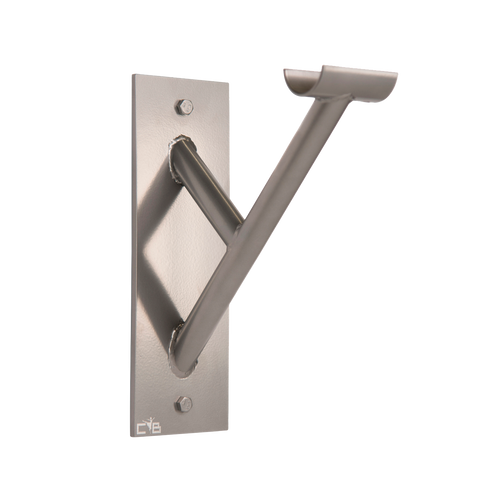
Pilates and mobility rooms rarely need theatrical dance language, but they often need the same thing a dancer needs: a stable, beautifully placed support surface that invites precise movement.
When teams default to generic fitness hardware, the room can lose both elegance and utility. The equipment may function, but it no longer feels coherent with the rest of the space.
At the point where a buyer is searching for barres for pilates and mobility rooms, the conversation has usually matured beyond a generic barre. The real question is how the room should feel, how the installation should behave, and how the product can support the brand standard without compromise. That is where Custom Barres becomes useful: the specification can follow the room instead of forcing the room to follow a catalog shortcut.
The Decisions That Matter Most
The question is not whether the room is technically a dance studio. It is whether a ballet barre is the most refined support surface for the way the room will be used.
- Movement type: Mobility sessions, stretch classes, and private instruction often benefit from a refined, hand-friendly support surface.
- Visual calm: A well-specified barre can feel quieter and more architectural than standard gym hardware.
- Touch quality: In slower, more tactile movement rooms, the material experience matters more.
- Brand expression: Premium wellness brands often win by choosing equipment that looks inevitable rather than utilitarian.
What to Confirm Before Pricing
The strongest projects become easier the moment the team translates taste into concrete decisions. That means confirming not only the look of the barre, but also how it will be used, what the wall or floor allows, and what kind of daily experience the room needs to deliver.
- Programming: Clarify whether the room serves mobility, barre, Pilates, stretch recovery, or mixed-use training.
- Support expectations: Decide how much user weight and frequency the product should comfortably handle.
- Finish language: A wood and bracket direction should reinforce the room's calm, not interrupt it.
- Photography: These rooms often appear in marketing; choose equipment that reads well on camera and in person.
Where Premium Rooms Usually Lose Quality
Most disappointing rooms are not ruined by one dramatic mistake. They drift off course through a series of small compromises that make the finished space feel more generic, more awkward, or less stable than the rest of the project.
- Over-gyming the room: Heavy commercial hardware can make a quiet wellness room feel louder than necessary.
- Decorative-only choices: A room needs equipment that feels real when touched, not just elegant at a distance.
- Ignoring user posture: Different movement styles ask different things of height and placement.
- No brand filter: A wellness room should feel like one brand story, not a collection of unrelated fixtures.
Why Custom Barres Fits This Use Case
A premium barre package should feel intentional in the same way premium millwork, lighting, or flooring feels intentional. The best rooms do not hide their quality. They make it feel inevitable.
- Refined materiality: Custom Barres helps support rooms feel tactile and premium without becoming visually heavy.
- Use-case flexibility: The same design language can support stretch, mobility, and light training with confidence.
- Project integration: Custom lengths and finish choices make the product easier to integrate with design-led interiors.
- More memorable rooms: The right barre quietly raises the perceived quality of the full experience.
Recommended Next Steps
The cleanest next move is to keep the decision attached to the room itself: the user profile, the level of finish, the mount conditions, and the visual standard the owner wants to protect.
- Decide whether the room should feel more performance-driven or more restorative.
- Review how often clients will physically rely on the support surface.
- Match the barre's material language to the room's most important finishes.
For pricing direction, use the quote tool. For larger projects, design teams, and multi-room planning, use the Architect Portal so specification and aesthetics stay aligned.