Barre Heights for Mixed-Age Dance Programs: How to Plan a Room That Serves More Than One User
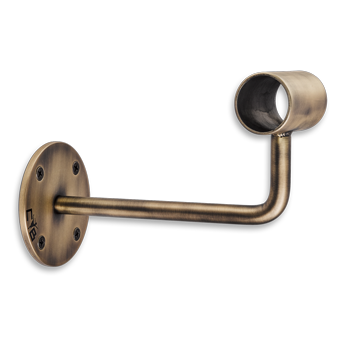
The moment a room serves children in one class and adults in the next, barre height becomes a strategic decision. A single height that works beautifully for one user group can feel awkward, limiting, or visually unbalanced for another.
When the height is wrong, the room does not just feel less elegant. It teaches less comfortably, limits programming flexibility, and quietly lowers the quality of the daily experience.
At the point where a buyer is searching for barre heights for mixed age dance programs, the conversation has usually matured beyond a generic barre. The real question is how the room should feel, how the installation should behave, and how the product can support the brand standard without compromise. That is where Custom Barres becomes useful: the specification can follow the room instead of forcing the room to follow a catalog shortcut.
The Decisions That Matter Most
Mixed-age rooms should be specified for range, not for an average user who never actually exists.
- Primary audience: A room used mostly by children should not be planned as if occasional adult use is the norm.
- Program mix: Classical training, recreational programming, and fitness-based use often justify different height logic.
- Single vs double: Double barres often cost less than the long-term limitations of forcing every class into one compromised height.
- Visual order: The second rail should feel integrated into the architecture, not added as a corrective after opening day.
What to Confirm Before Pricing
The strongest projects become easier the moment the team translates taste into concrete decisions. That means confirming not only the look of the barre, but also how it will be used, what the wall or floor allows, and what kind of daily experience the room needs to deliver.
- Age range: List the youngest, oldest, and most frequent users before finalizing the system.
- Program schedule: Review whether the room serves one consistent audience or rotates across the day and week.
- Instructor preference: Teachers often know immediately whether a room needs a double system or a disciplined single height.
- Mirror coordination: Double systems should be coordinated early so the wall still feels premium and balanced.
Where Premium Rooms Usually Lose Quality
Most disappointing rooms are not ruined by one dramatic mistake. They drift off course through a series of small compromises that make the finished space feel more generic, more awkward, or less stable than the rest of the project.
- Planning for the exception: Designing the whole room around occasional use can dilute the experience for the main audience.
- Overvaluing simplicity: A simple single height can create a complex operational problem if the room serves varied users.
- Late adjustment: Changing heights after mirror and wall work are complete adds cost and rarely feels as clean.
- Ignoring growth: Schools and academies often evolve; the room should support the next stage, not only current enrollment.
Why Custom Barres Fits This Use Case
A premium barre package should feel intentional in the same way premium millwork, lighting, or flooring feels intentional. The best rooms do not hide their quality. They make it feel inevitable.
- Double-height options: Custom Barres makes it easier to specify a room that serves children, teens, and adults elegantly.
- Project-grade proportions: A true double system feels intentional, refined, and architecturally resolved.
- Room-specific design: Custom dimensions help the second rail support the room instead of cluttering it.
- Longer program life: Better height planning protects flexibility as the schedule evolves over time.
Recommended Next Steps
The cleanest next move is to keep the decision attached to the room itself: the user profile, the level of finish, the mount conditions, and the visual standard the owner wants to protect.
- List every program the room needs to support over the next 12 months.
- Ask instructors whether one clean single height is truly enough.
- Coordinate any double-barre solution before mirrors and finishes are finalized.
For pricing direction, use the quote tool. For larger projects, design teams, and multi-room planning, use the Architect Portal so specification and aesthetics stay aligned.