Maple, Oak, or Ash: Which Wood Is Right for Your Ballet Barre?
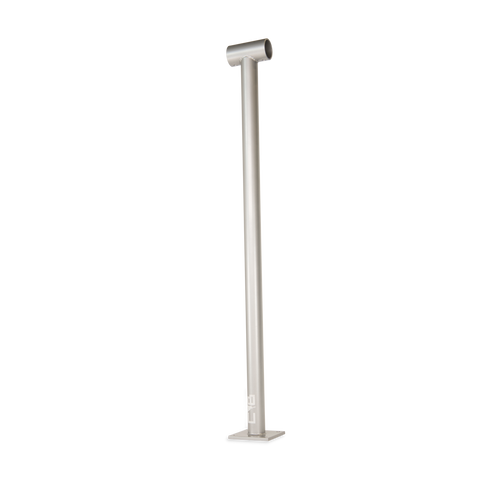
Hard maple is the most popular wood for commercial ballet barres — it is the hardest of the three, has the tightest grain, and gives the cleanest, most uniform look. White ash is warmer in tone and slightly more flexible. Red oak has the most visible grain pattern and the most traditional character.
All three woods are excellent choices for a professional ballet barre. The decision comes down to how the barre will look in the room and what feel you prefer underhand. Here is a practical comparison.
Hard Maple
- Hardness (Janka): 1,450 lbs — the hardest of the three. Excellent resistance to denting and surface wear.
- Grain: Very fine, tight, and consistent. Light cream to pale tan color with minimal variation.
- Feel: Very smooth underhand. The tight grain prevents the surface from feeling rough as it ages.
- Best for: Contemporary studios, boutique fitness rooms, hotel gyms, school dance rooms — anywhere a clean, light, modern aesthetic is the goal.
- Finish: Takes stain evenly. Natural clear coat gives a very clean white-to-cream look.
White Ash
- Hardness (Janka): 1,320 lbs — slightly softer than maple but still an excellent commercial hardwood.
- Grain: Pronounced, open grain with a slightly coarser texture than maple. Warm tan to light brown color.
- Feel: Slightly grippier than maple due to the more open grain. Some dancers prefer this for technique work.
- Best for: Warm, natural interiors; studios with medium-toned wood floors and warm metal accents.
- Finish: Stains beautifully in warm tones. Interesting grain shows through any transparent finish.
Red Oak
- Hardness (Janka): 1,290 lbs — the softest of the three but still well within commercial hardwood range.
- Grain: Most pronounced grain of the three. Warm pink to tan color with characteristic ray flecks in quartersawn cuts.
- Feel: The open grain gives a tactile feel that many classical dancers associate with traditional studios.
- Best for: Classical ballet studios, traditional interiors, warm and formal settings.
- Finish: Red oak's natural warm color stains very differently from maple — test before ordering if a specific stain tone is important.
How to Choose
- If you want a clean, light, contemporary look: hard maple.
- If you want warmth without heavy grain: white ash.
- If you want traditional, classic studio character: red oak.
- If your floor is light maple or blonde wood: maple barre will match and look intentional.
- If your floor is warm medium oak: ash or red oak will coordinate better.
- Request wood swatches before ordering if matching an existing interior finish is important.
Next Steps
Custom Barres offers all three species in standard and custom finishes. Request a wood swatch set to compare in your room before ordering.
- Browse wall mounted, floor mounted, and portable options at Custom Barres.
- Get an instant price estimate with the quote tool — enter your wall length, mount type, and finish.
- Architects and designers: access CAD blocks, finish samples, and spec support through the Architect Portal.
Frequently Asked Questions
What is the most popular wood for a ballet barre?
Hard maple is the most popular commercial choice — clean look, excellent hardness, consistent grain. Red oak is the most traditional choice for classical ballet studios.
Is a wood ballet barre better than aluminum?
Solid wood is the professional preference. Wood provides a better grip feel, warmer aesthetics, and a more authentic professional character. Aluminum barres are cheaper but feel cold and industrial underhand.
Can the wood be stained to match my studio floor?
Yes. Custom Barres offers stain finishes on all three wood species. Request a swatch set to compare stain colors against your existing floor and millwork.