How to Choose Ballet Barre Brackets: The Complete Guide
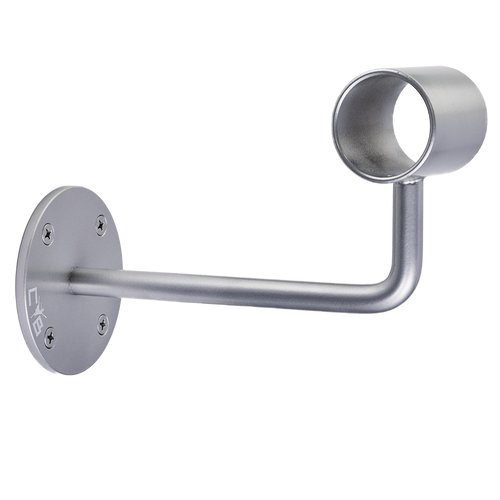
Ballet barre brackets should be heavy-duty powder-coated steel for commercial use, spaced every 4–6 feet along the barre run. For a standard 8-foot run, you need three brackets: one at each end and one in the middle. Finish choices include satin black, satin nickel, antique brass, and oil-rubbed bronze.
The bracket is the structural heart of a wall mounted barre installation. A bracket failure does not just damage the barre — it can injure a student who is leaning on it. Choosing the right bracket means getting the material, load rating, spacing, and finish right.
Bracket Spacing Requirements
- Standard spacing: One bracket every 4–6 feet of barre run is the minimum for commercial use.
- 8-foot run: Three brackets: one at each end (6 inches from the tip) and one in the center.
- 12-foot run: Four brackets: end brackets plus two evenly spaced interior brackets.
- Long runs (16+ feet): One bracket per 4 feet minimum. More brackets = more rigid feel and less flex.
- Double barres: Same spacing, but each bracket assembly holds two rails. The bracket is taller but the wall footprint is the same.
Material and Load Ratings
- Heavy-duty commercial steel (recommended): The correct choice for commercial studios, schools, hotels, and rehab facilities. Look for brackets rated for 250-lb+ lateral load.
- Standard residential steel: Acceptable for home studios with light use. Not recommended for commercial settings where multiple users load the barre daily.
- Cast iron: Durable but heavy. Typically found in traditional studio installations. More decorative character than modern steel.
- Avoid plastic or die-cast zinc: These materials are appropriate only for the lightest residential use. Do not specify them for commercial installations.
Finish Options
- Satin black (most popular): Works with any interior palette. The default choice for contemporary and modern commercial studios.
- Satin nickel / brushed stainless: Clean, modern finish. Best for hotel fitness centers, spa rooms, and modern commercial interiors.
- Antique brass: Traditional ballet studio character. Warm, slightly aged look. Works in classical dance settings and luxury residential spaces.
- Oil-rubbed bronze: Dark, architectural finish. Growing in popularity for high-design boutique studios.
- Polished chrome: Bright and reflective. Harder to maintain in high-use commercial settings — shows fingerprints.
Wall Mounting Requirements
- Brackets must anchor to structural elements — blocking between studs or directly into studs.
- Structural blocking (2x6 lumber installed horizontally between studs at bracket height) is the professional standard.
- Bracket-to-wall attachment should use lag screws or through-bolts — not drywall anchors.
- For concrete or CMU walls, use appropriate concrete anchors rated for the bracket load.
Matching Brackets to Your Interior
The bracket finish is one of the most visible design decisions in the room. Pull your bracket finish selection alongside your mirror frame finish, towel bar finish, door hardware, and any visible HVAC or electrical covers. The barre should feel like part of the room's hardware palette, not an afterthought.
Next Steps
Custom Barres bracket sets are included with every barre order. Specify your finish, run length, and mount type in the quote tool to see the complete bracket configuration.
- Browse wall mounted, floor mounted, and portable options at Custom Barres.
- Get an instant price estimate with the quote tool — enter your wall length, mount type, and finish.
- Architects and designers: access CAD blocks, finish samples, and spec support through the Architect Portal.
Frequently Asked Questions
How far apart should ballet barre brackets be?
One bracket every 4–6 feet is the commercial standard. An 8-foot run needs three brackets; a 12-foot run needs four.
What finish is most popular for ballet barre brackets?
Satin black is the most popular finish in contemporary and commercial studios. Satin nickel is the top choice for hotel gyms and spa settings.
Can I replace just the brackets without replacing the barre rail?
In most cases yes, if the rail is still in good condition. Contact Custom Barres with your existing rail diameter and we can advise on replacement bracket compatibility.